
Construction | Installation
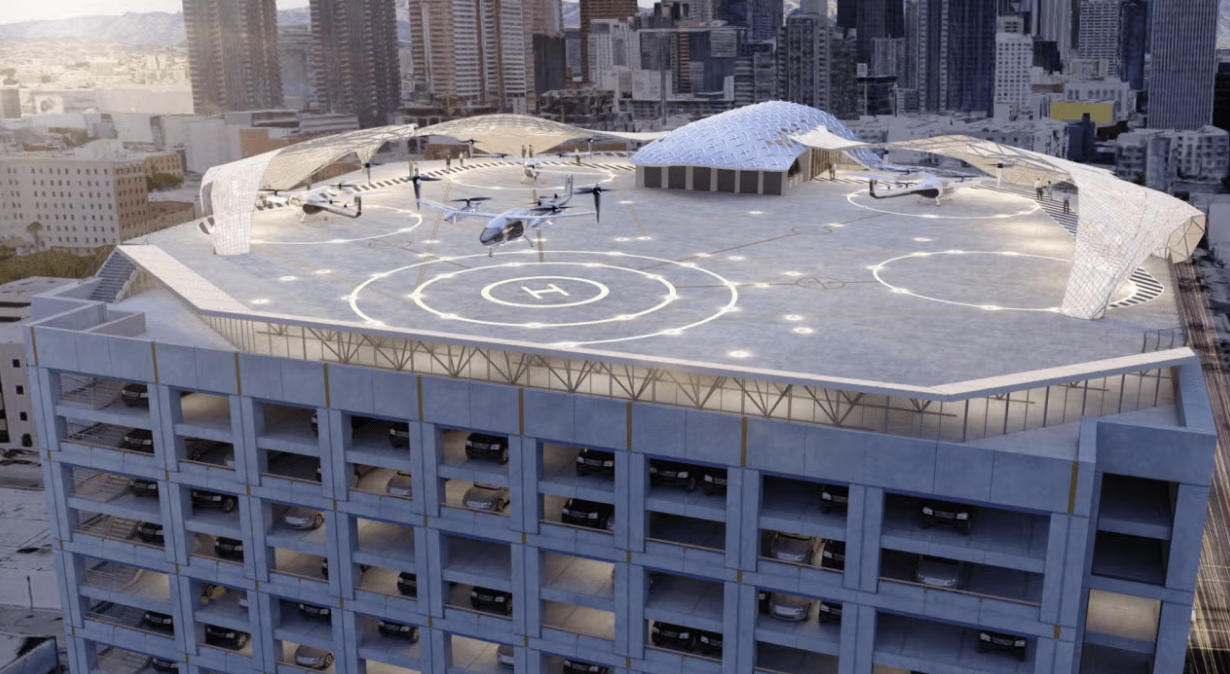
Advanced Air Mobility (AAM) construction focuses on developing "vertiports"—specialized takeoff/landing pads for electric vertical take-off and landing (eVTOL) aircraft—utilizing existing heliports and airports initially. Key installations include high-power charging stations, passenger terminals, and advanced communication systems, designed to integrate with urban electrical grids and transportation networks.
Key Infrastructure Components
Vertiports/Vertistops: Purpose-built or adapted sites for vertical takeoff and landing, requiring designated landing pads, passenger boarding areas, and safety systems.
Charging Infrastructure: High-speed, 3-phase electric charging infrastructure to support rapid turnaround times for eVTOLs.
Digital & Power Systems: Reliable power supply, advanced weather detection, lighting, and surveillance technology (e.g., surveillance sensors for drone traffic management).
Construction & Planning Phases
Phase 1 (Immediate): Utilizing existing infrastructure, such as rooftops, parking lots, and existing helicopter landing areas, with minimal modifications.
Phase 2 (Long-Term): Widespread, purpose-built, and automated vertiport construction.
Regulatory Guidance: Construction is guided by FAA regulations for vertiport design (Engineering Brief 105), which dictates the safety requirements for the physical infrastructure.
Key Considerations
Grid Capacity: Upgrading local utility systems to handle high-power electric charging demands.
Noise & Community Impact: Planning for vertical noise assessments and community acceptance of new infrastructure.
Standardization: Developing uniform, scalable standards for vertiport designs to allow for network expansion across various locations.