
Design-Build
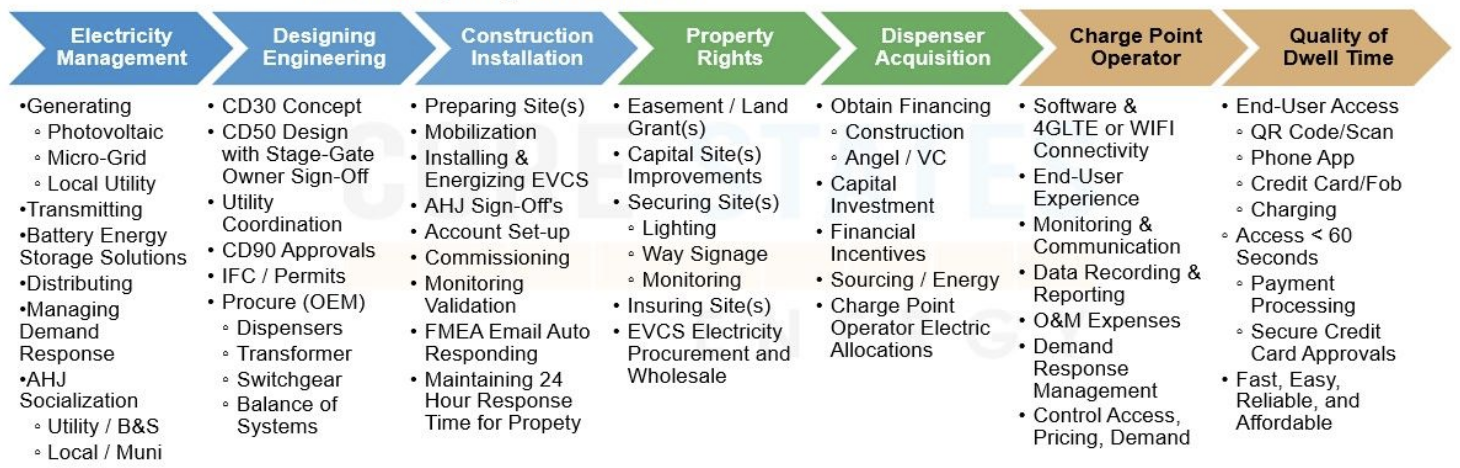
FutureProofing: Pioneering the Path of The Value Chain
As the transportation industry transitions further towards Advanced Air Mobility and Zero-Emission Vehicles, it is even more important to focus on Electric Vehicle (EV) charging station infrastructure and emerging business models. 2023 EV sales reached a staggering 13+ million vehicles, and that figure is expected to double by 2025. Global EV demand is projected to increase sixfold between 2021 and 2030. Consequently, annual unit sales are expected to surge beyond 40 million. This remarkable growth calls for property owners to better comprehend the whole eMobility value chain.
Now is the time to futureproof your existing property to cater to the evolving needs of EV drivers more effectively. Understanding the workflow of putting in EV charging stations covers a wide range of aspects including energy demand management, sourcing equipment, working with local Authorities Having Jurisdiction (AHJ), establishing charging station services, and more. Design-builders will take the project from concept all the way to handing you the keys. Property Owners want to ensure that their charging dispensers allow them to fully manage access, pricing, demand, and monitoring. E-Mobility Operators ensure that drivers experience EV charging stations that are fast, easy, reliable, and affordable.
Building the Infrastructure for Advanced Air Mobility
Several projects supporting AAM are working on different elements to help make AAM a reality. In order for these new AAM aircraft to safely operate, new infrastructure and changes to current infrastructure will need to be developed in cities, suburbs, and rural areas.
Small drones delivering packages, air taxis carrying passengers, or air ambulance providing lifesaving transportation – these are just some of the concepts NASA’s Advanced Air Mobility (AAM) mission is helping get into our skies. For these aircraft to safely operate, cities, suburbs, and rural areas will need new or enhanced infrastructure.
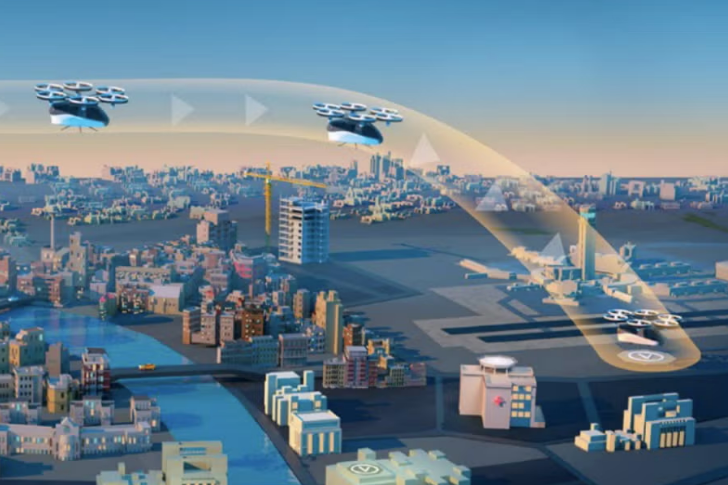
Imagine a network of routes where new aircraft would fly lower than traditional aircraft. NASA researchers are currently considering the network infrastructure required to enable these aircraft to digitally communicate, as well as the surfaces they would need to take off and land.
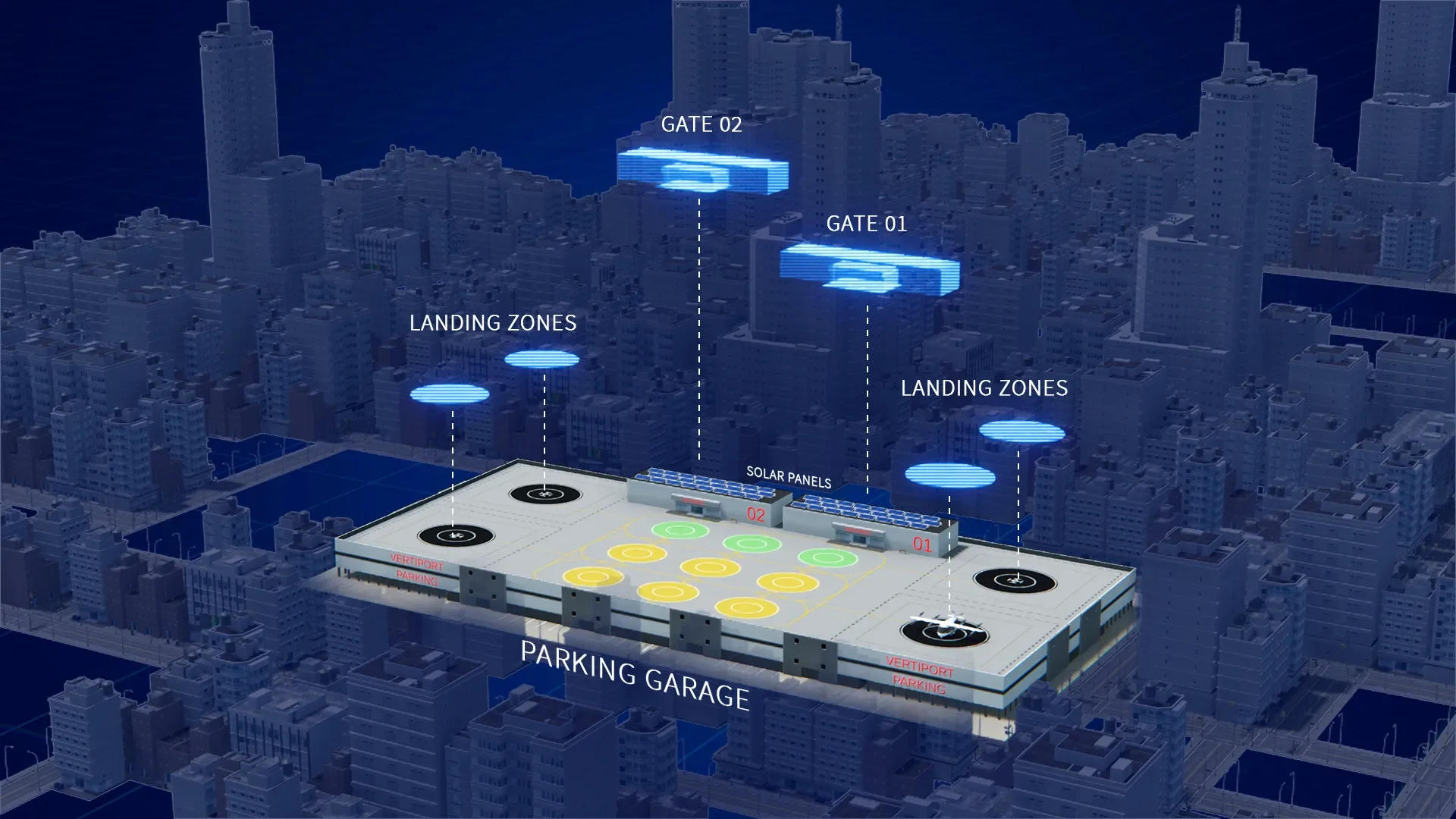
Any time new transportation is introduced, communities have to plan how they will work with existing infrastructure and evolve with new adaptations. This includes physical areas of focus – including adding vertiports to existing airports and creating charging stations for mostly electric aircraft – and digital areas of focus, such as how aircraft will communicate with one another and with air traffic control. The next phase of this research involves working with partners who have electric vertical take-off and landing aircraft (eVTOLs) capable of interacting with prototype vertiports.
The AAM mission includes multiple projects with different focus areas that will help make these visions into reality. This includes work on automation, noise, vertiport and vehicle design, as well as airspace integration to keep everyone safe while flying. Government agencies, industry, and the public, will need to combine their efforts to build new highways in the sky.
NASA’s vision is to map out a safe, accessible, and affordable new air transportation system alongside industry and community partners and the Federal Aviation Administration. These new capabilities would allow passengers and cargo to travel on-demand in innovative, automated aircraft across town, between neighboring cities, or to other locations typically accessed today by car.