
Solid-State Surge: Powering the Next Energy Revolution
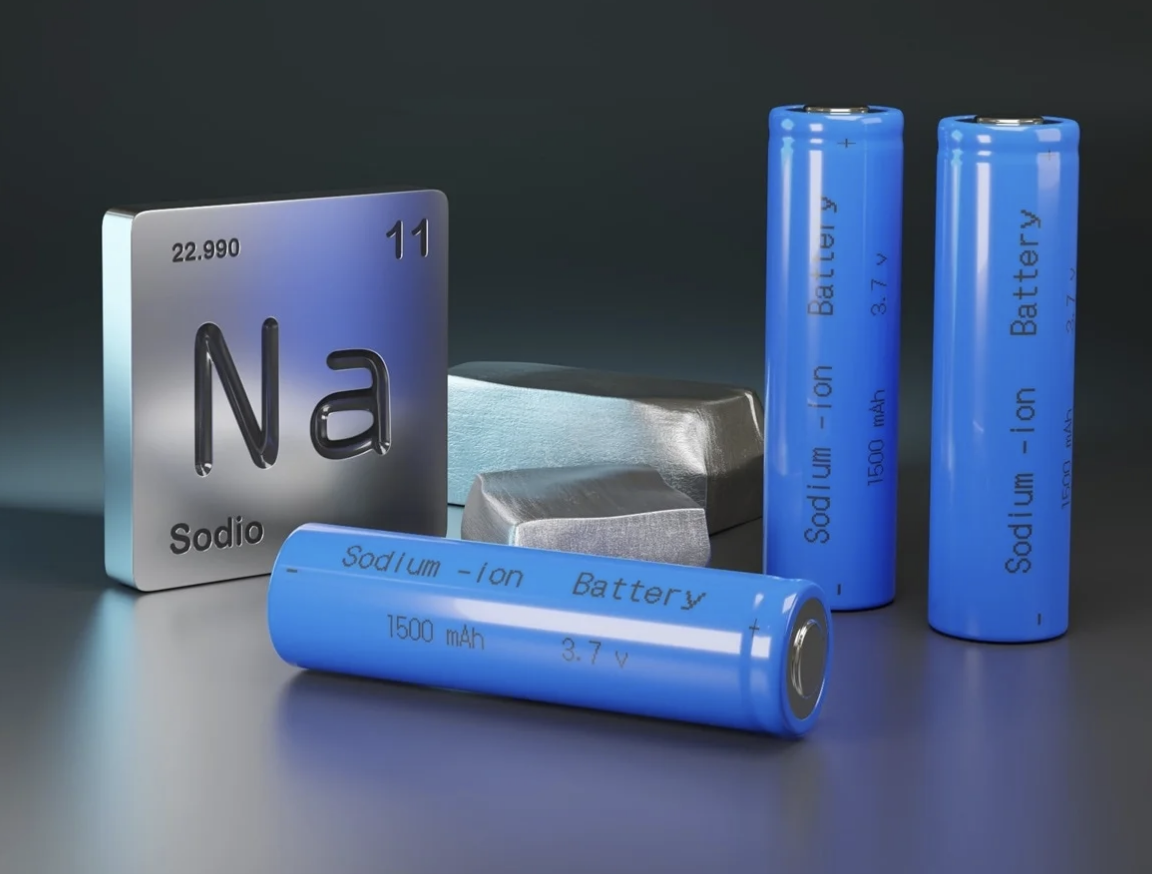
In the fast-evolving landscape of energy technology, solid-state innovation is accelerating on two complementary fronts: solid-state batteries (SSBs) and solid-state transformers (SSTs). CATL recently announced a breakthrough in lithium metal battery technology – often considered a precursor to full SSBs – with a prototype achieving over 500 Wh/kg energy density and nearly 500 charging cycles. Sodium-Ion Batteries (SIBs) are less than 200 Wh/kg; so I do not believe we will be seeing SIBs in production facilities in the near future.
Getting past the 500 Wh/kg hurdle pushes SSBs even closer to mainstream adoption in electric vehicles (both land and air), where weight and energy density are critical. Meanwhile, LS Electric unveiled an EV Charging Station (EVCS) that integrates SST technology, which promises higher efficiency and better grid interaction by using compact, high-frequency converters instead of traditional magnetic transformers.
Together, SSBs and SSTs form a synergistic ecosystem for next-generation energy systems. SSBs enable long-range and safer EVs, while SSTs allow for smarter, more adaptive power delivery within distributed grid networks. As both technologies continue to mature, their intersection could define the blueprint for tomorrow’s electrified infrastructure – where high-performance batteries pair seamlessly with intelligent, high-efficiency power electronics. With market forecasts showing significant growth in both areas of development, we are witnessing the foundational layers of a transformative, solid-state future. Grid Reliability will depend on Solid-State Transformers and Solid-State Batteries.
(SSB)
Solid State Batteries
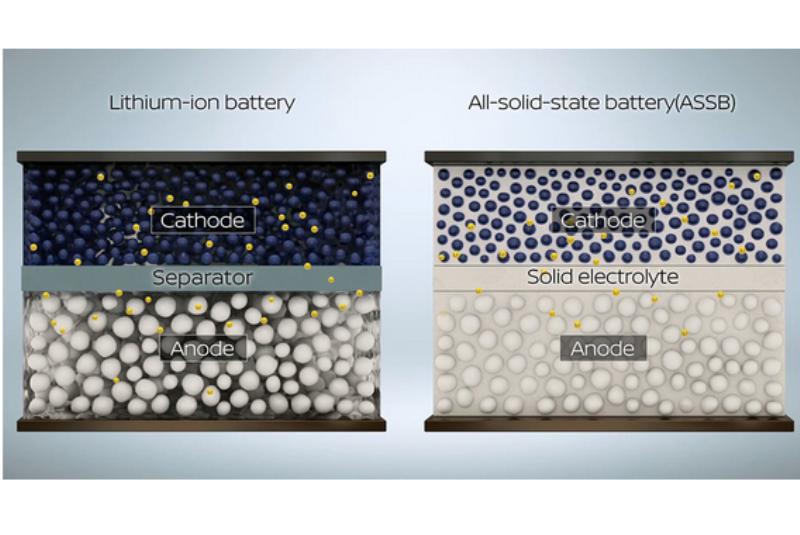
Solid-state batteries (SSBs) are a next-generation energy storage technology using solid electrolytes instead of liquid ones. Offering higher energy density, faster charging, and improved safety for EVs. While promising to significantly reduce EV costs and increase range, they face challenges in manufacturing, high costs, and structural durability, with commercialization currently in the prototyping and pilot phases.
Key Benefits of Solid-State Batteries
Higher Energy Density: They can store more energy in a smaller space, allowing for lighter, more compact batteries or longer EV range.
Increased Safety: The elimination of flammable liquid electrolytes reduces the risk of fire or explosion
Faster Charging: Solid-state materials can allow for quicker ion transfer, enabling faster charging times, some potentially under 10 minutes.
Longer Lifespan: They tend to be more durable and less susceptible to degradation over time.
How Solid-State Batteries Work
Solid-state batteries function similarly to traditional lithium-ion batteries but replace the liquid electrolyte—which transports ions between the anode and cathode—with a solid material, such as ceramics, polymers, or sulfides. This solid layer often allows the use of lithium metal anodes, which enhances performance.
Limitations and Challenges
Manufacturing Complexity: Producing solid-state batteries at scale is difficult and expensive compared to existing liquid lithium-ion technology.
Dendrite Formation: While meant to be safer, solid electrolytes can still develop metallic "dendrites" (small tree-like structures) that cause short circuits, requiring advanced materials to prevent.
Interface Resistance: Maintaining good contact between the solid components is technically challenging, affecting performance.
Current Status of Development
As of 2026, solid-state batteries are moving from lab prototypes toward real-world applications. Companies like QuantumScape, Solid Power, Toyota, and Samsung are leading development, targeting electric vehicles to compete with conventional gas cars. Major automakers are investing heavily, but mass-market adoption is still several years away.