(SOFC)
Solid Oxide Fuel Cell
are high-temperature electrochemical devices that converts chemical energy from fuels like natural gas, hydrogen, or methane directly into electricity with high efficiency (up to 70%) and low emissions. Using solid ceramic electrolytes, they operate at 500–1000°C, providing high reliability and fuel flexibility for power plants and data centers.
How SOFCs Work
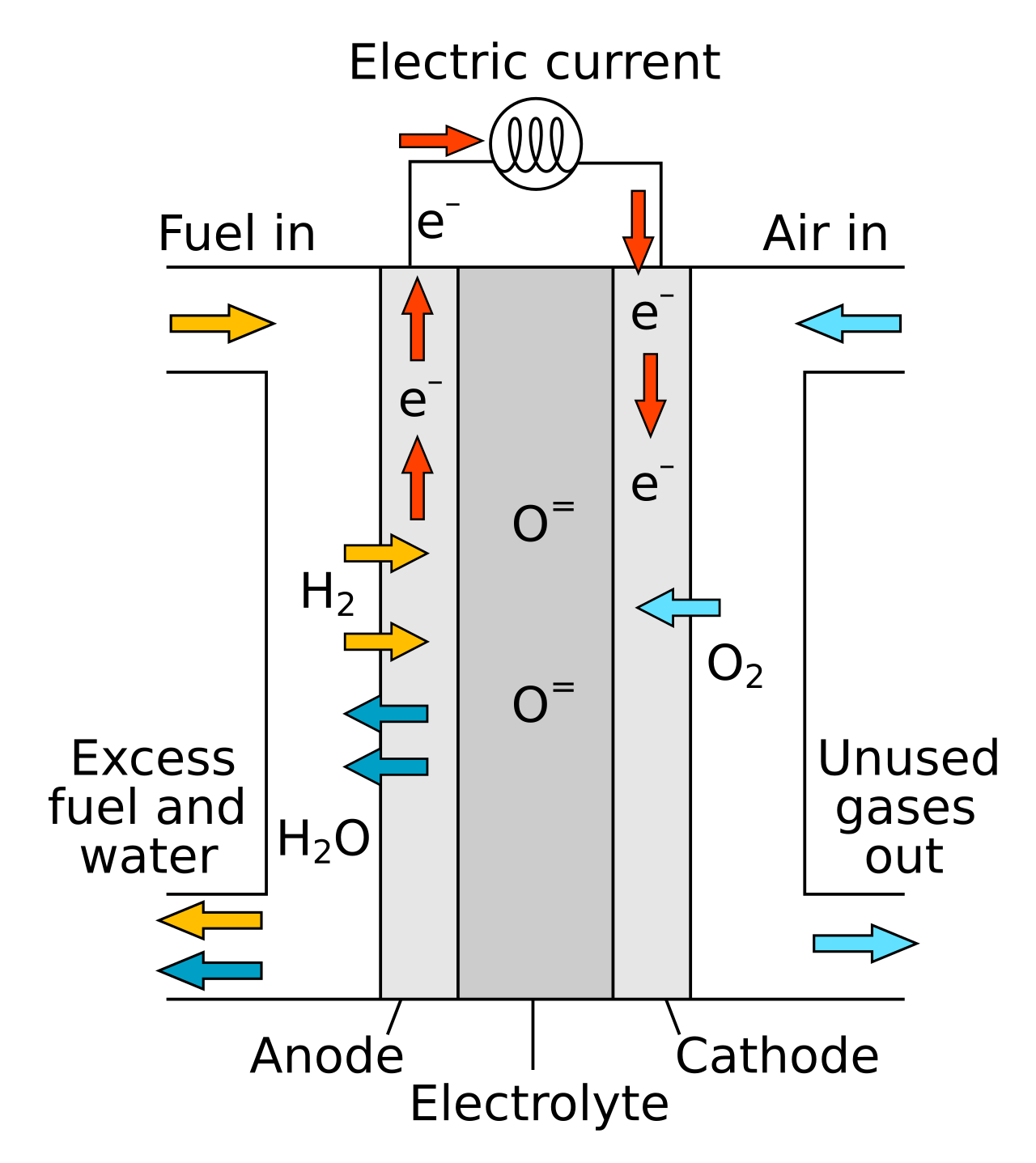
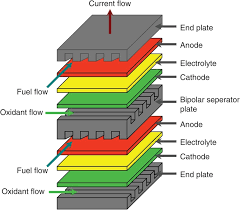
Structure: They consist of a solid oxide (ceramic) Structure: electrolyte between a porous anode (fuel side) and a porous cathode (air side).
Process: Oxygen at the cathode is reduced into oxygen ions. These ions migrate through the ceramic electrolyte to the anode, where they react with the fuel (hydrogen/methane) to produce electricity, heat, and water vapor/carbon dioxide.
Internal Reforming:
High temperatures allow methane to be converted into hydrogen and carbon monoxide inside the stack, removing the need for external processing.
Key Advantages
High Efficiency: They offer up to ~70 electrical efficiency, roughly double that of traditional engines.
Fuel Flexibility: Can use hydrogen, natural gas, biogas, or methane, reducing dependency on a single source.
High Reliability & Reduced Cost: No precious metals like platinum are required.
Combined Heat and Power (CHP): High-temperature exhaust can be used for secondary applications.
Disadvantages and Challenges
High Operating Temperature: Ranging from 500 to 1000°C, these high temperatures lead to slow startup times and high thermal stress on components.
Material Degradation: High temperatures can cause cell components to crack or lose performance (delamination).
Cost of Materials: While they don’t use platinum, high-end ceramics and rare earth elements are needed, and the high-temp requirement requires expensive materials.
Sulfur Sensitivity: Impurities like sulfur can poison catalysts, requiring fuel purification.
Types and Future Prospects
Future developments focus on reducing operating temperatures to below 600°C to lower component costs and improve durability, utilizing materials like scandium-doped ceramics. Research is also focused on enhancing sulfur tolerance, improving electrode materials, and scaling up for use in large-scale data centers, residential power, and heavy transport.
Types: Common configurations include planar (flat plate) and tubular designs.
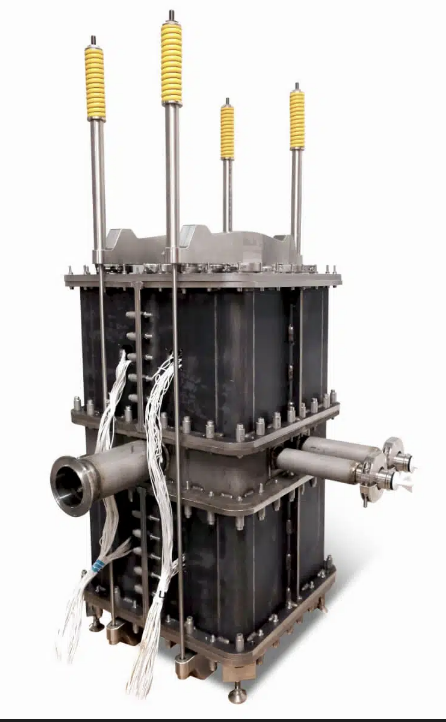
Applications: Primarily used for stationary power generation (e.g., Bloom Energy Servers) but are researched for portable and transportation applications.
Future: Advancements aim to lower operating temperatures to 300-600°C to reduce costs and improve durability.