
(RAM)
Rural Air Mobility
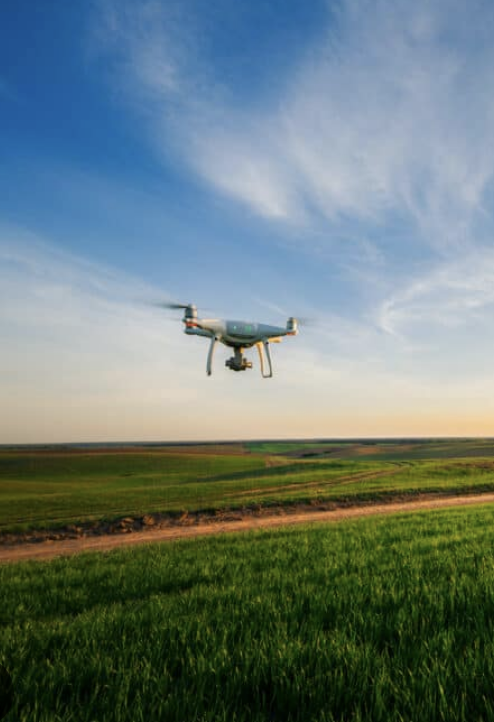
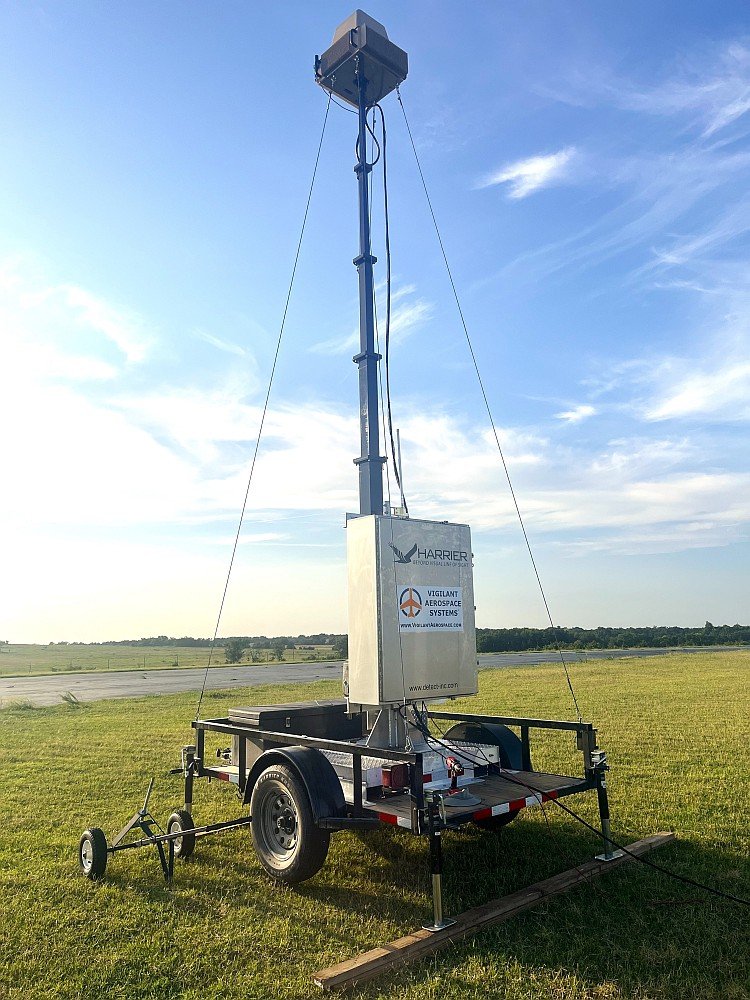

Rural Air Mobility (RAM) connects remote areas, small towns, and agricultural hubs to cities and global supply chains using advanced, often electric, autonomous, or semi-autonomous aircraft and/or cargo drones.
As a specialized subset, RAM focuses on regional transportation, supplying parts, transporting healthcare workers, and enabling export of goods using, for example, eSTOL or small electric planes.
Core Components & Benefits
Vehicles: Uses electric vertical takeoff and landing (eVTOL) for point-to-point, and electric conventional takeoff and landing (eSTOL) for short, prepared runways.
Use Cases: Urgent medical transport, connecting islands/remote communities, and agricultural logistics.
Infrastructure: Requires development of "vertistops" or updated rural airstrips.
Key Advantage: Unlike urban air mobility (UAM), rural areas have more space for vertiports and fewer airspace constraints.
Challenges: The technology requires high-capacity batteries and reliable automated traffic management systems.
Key Players and Trends
Development: Companies like Joby Aviation, Beta Technologies, and Volocopter are leading with high "AAM Reality Index" scores.
Policy Support: The FAA's Essential Air Service (EAS) Program already supports rural air links, while new initiatives explore using blockchain for sustainable rural aviation.
Regional Focus: RAM projects are actively planned for regions such as Bavaria, the Maldives, and across African nations, say Flight Crowd and Aerospace Research Central.
Technological Foundations
RAM relies on the convergence of three technological shifts: electrification, distributed propulsion, and autonomy, say Nextech.online and the Department of Transportation. These advancements aim to reduce emissions, lower noise levels, and improve efficiency over traditional helicopter or small plane operations. According to the Department of Transportation, new AAM operations provide increased connectivity where large jets cannot serve